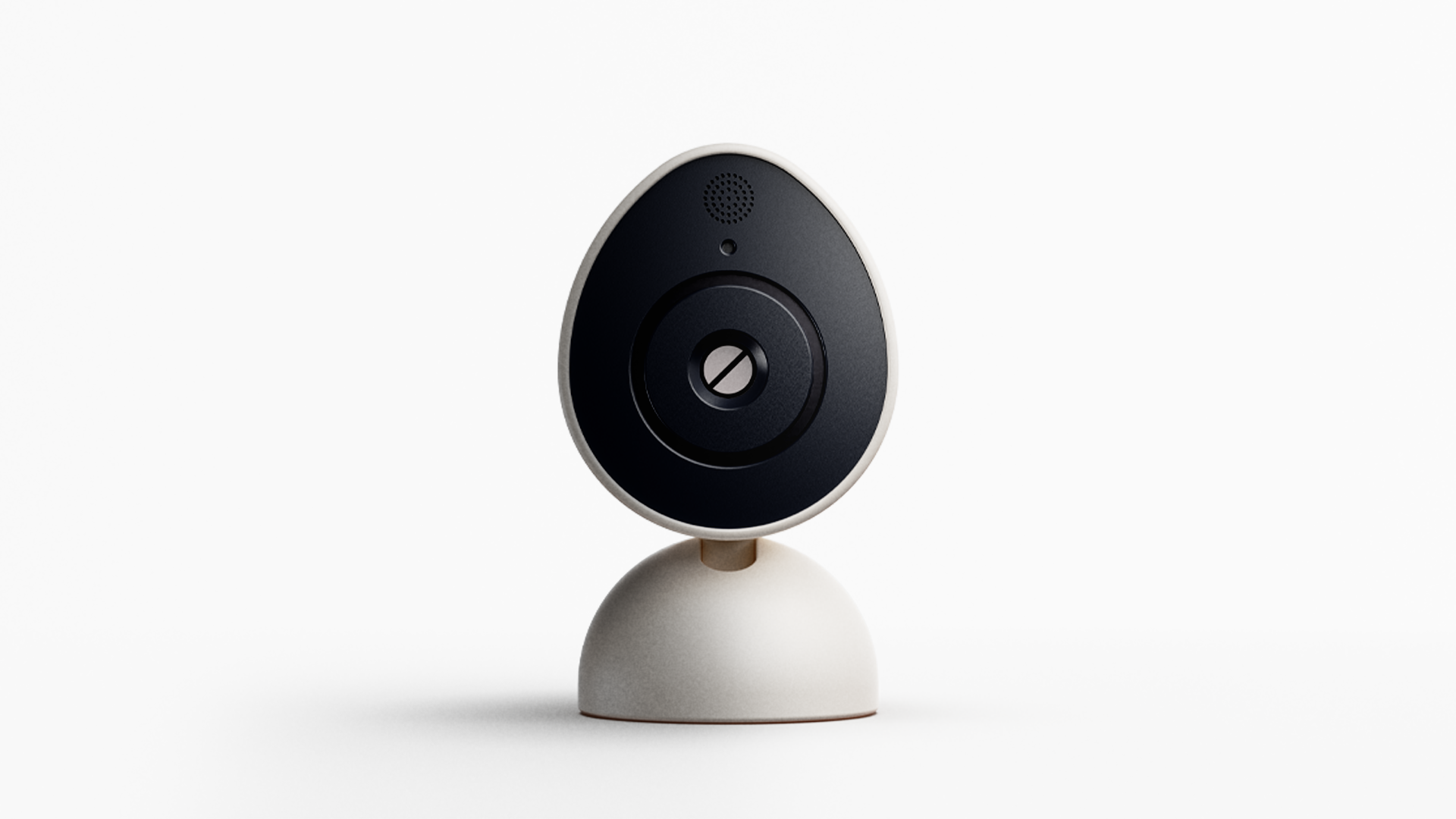
Arca: A Trustworthy and Privacy-Enhancing Smart Home Camera
Arca is a design prototype for a more inclusive, transparent, and privacy-enhancing smart home camera. Designed as part of a multi-year design research project funded by the National Science Foundation.



Project Overview
Smart home cameras are one of the most popular smart home product categories. They’re used for many tasks, such as deterring intruders, monitoring kids and pets, and knowing when packages have arrived. But they also create serious concerns with privacy, power, and social relationships.
In response, we designed Arca to address the experiences of neighbors, guests, domestic workers and other bystanders who interact with and are impacted by smart cameras. On its face, Arca is a design prototype for a more inclusive, transparent, and privacy-enhancing smart home camera. But Arca is only partially a solution. It is also a research tool for investigating bigger problems.
As part of a multi-year design research project funded by the National Science Foundation, our work investigates tensions, trust, and tradeoffs with smart devices and surveillance. The more general problem motivating our design of Arca is that devices with cameras, microphones, and other sensors impact the privacy of people nearby. Smart home security cameras like Amazon’s Ring Doorbell and Google’s Nest Cams exemplify this issue. These products are used deliberately and incidentally to surveil family members, roommates, guests, neighbors, domestic workers, and passersby.
Our research defines these types of actors as adjacent users who interact with and are impacted by smart devices yet lack the awareness, consent, control, and benefits of use enjoyed by primary users. From this specific design case study, we generalized design patterns, principles, and problem-framings to help designers address the needs of adjacent users in related contexts that involve AI, spatial computing, augmented reality, and other technologies involving cameras, microphones, and spatial sensors. In each of these contexts, sensors can create privacy concerns and social tensions among primary and adjacent users. The Arca project articulates techniques to help mitigate or avoid these issues.
Research Insights
Arca is based on extensive research, including 60 interviews we conducted with both primary and adjacent users of smart cameras. Several core insights inform our design:
Silent Disclosure and Consent. Camera owners rarely disclose their cameras directly, but assume people will notice them. People do notice them, but rarely feel empowered to question, complain, or express their discomfort.
Oversensing. Smart cameras are designed to sense the environment continously, widely, and deeply. This enables powerful functionality like detailed histories and smart event detection. But sometimes primary users oversense and surveil more than they need or want.
Casual and Incidental Everyday Surveillance. Smart cameras encourage and teach primary users to surveil others, including in ways that primary users never intended. For example, features like event notifications prompt users to casually spy on neighbors and household members out of curiosity. These features can also be counterproductive and amplify feelings of paranoia, anxiety, and compulsion to monitor.
Social Tensions/Conflicts. Surveilling people in their home and neighborhood can lead to resentment and indignation. Many adjacent users, like nannies and neighbors, feel disrespected and disempowered when they are surveilled. They often feel this way even though that have little or no concerns about the disclosure of their personally sensitive information, such as the content of video depicting how they are behaving.
Key Features
We designed Arca to address the experiences of adjacent users who lack awareness, consent, control, and benefits. Arca offers four core features: (1) Flexible Sharing, (2) True On/Off Indicators, (3) Medium Privacy Mode, and (4) Strong Privacy Mode. Each exemplifies design patterns and principles applicable to other contexts involving adjacent users, privacy, and smart products.
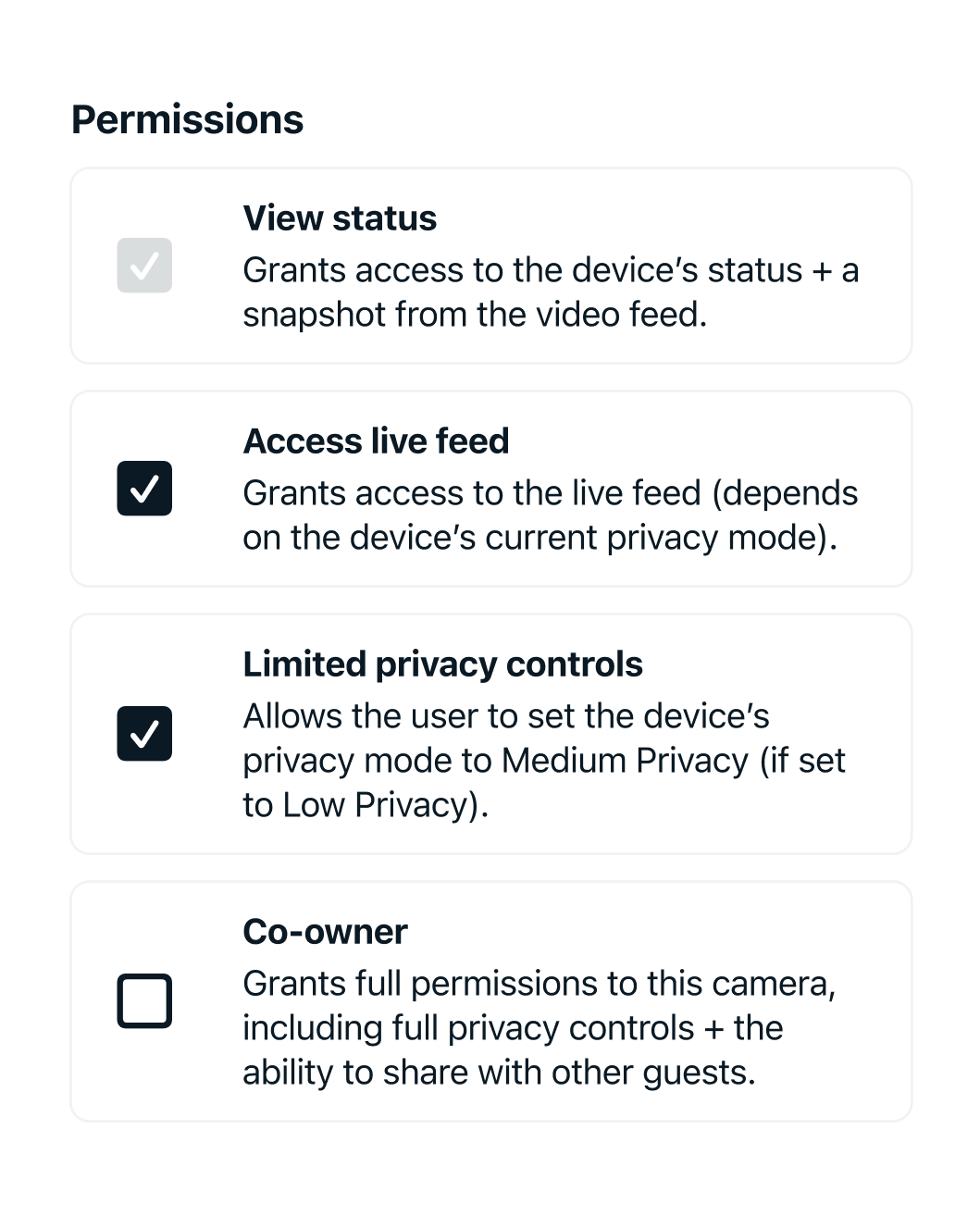
Flexible Sharing.
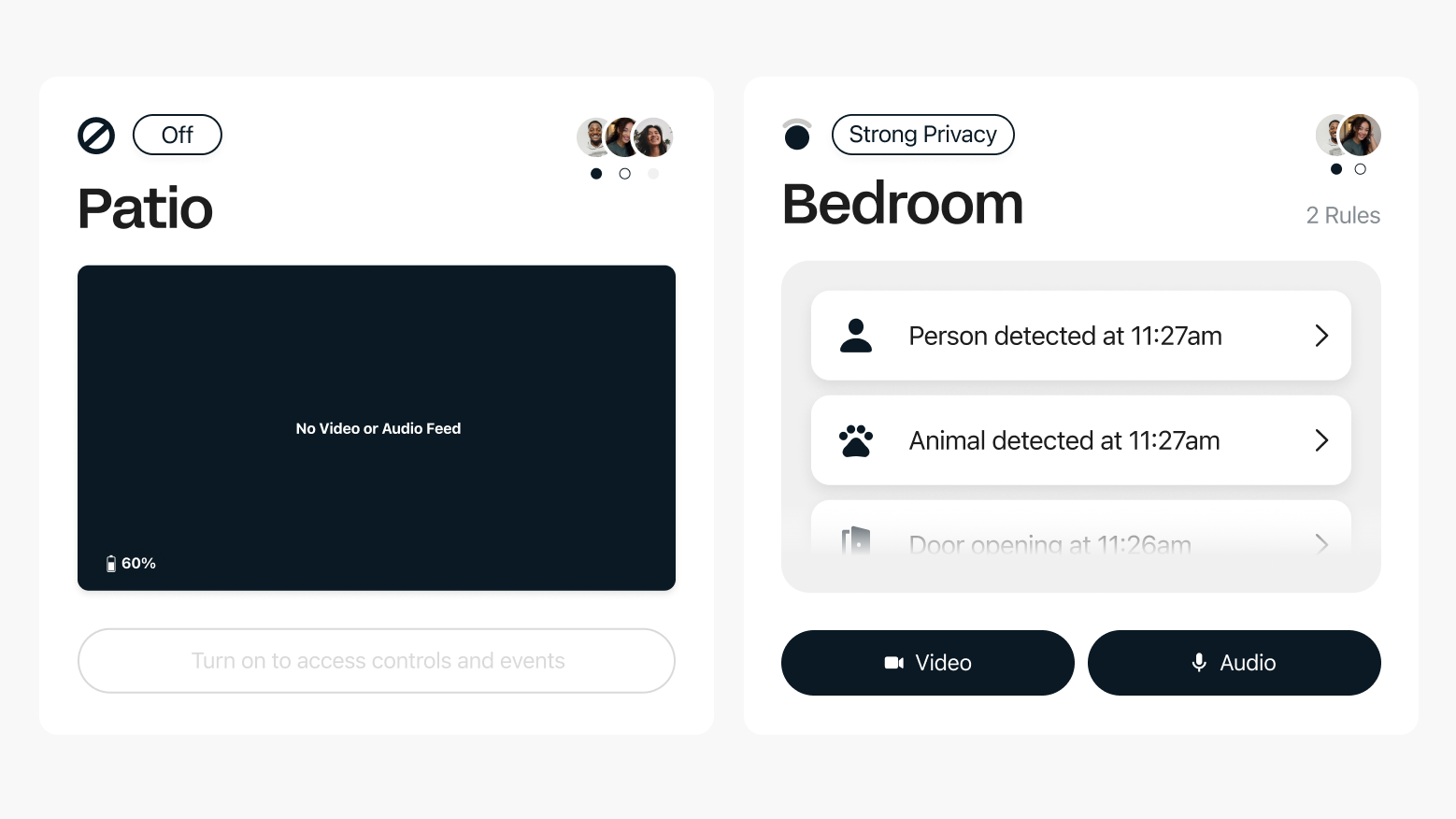
Other smart cameras offer a one-size-fits-all approach to sharing. Arca allows you to customize who you do (or don’t) share access with. The options range from equal Co-Owner to a limited Status View for letting neighbors, tenants, or workers know the location and privacy mode of devices.
Sensor Dimmer Switch.
Arca allows users to achieve the right balance of privacy and security with a better on/off, and a few privacy mode options in between.
True On and True Off.
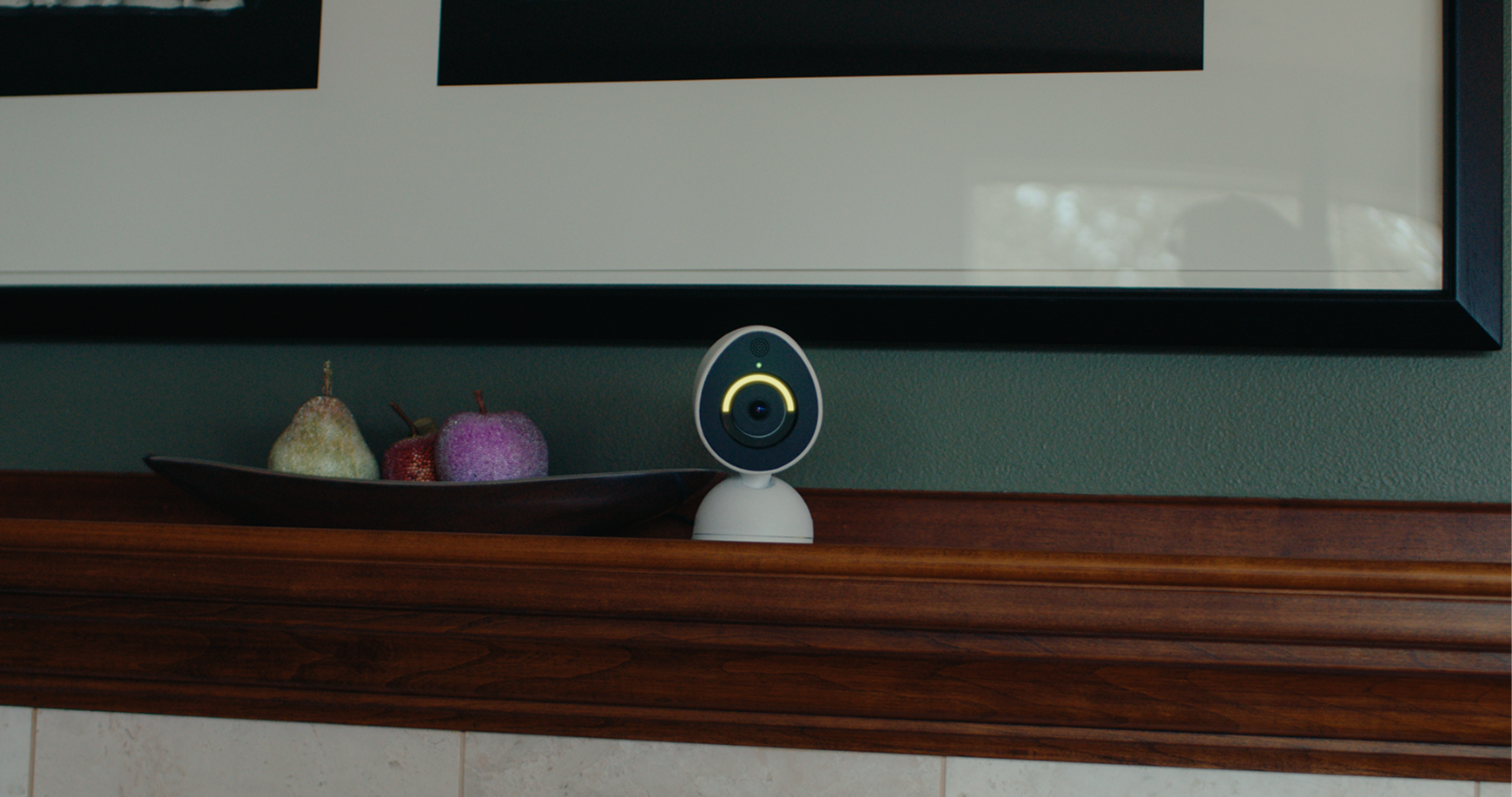
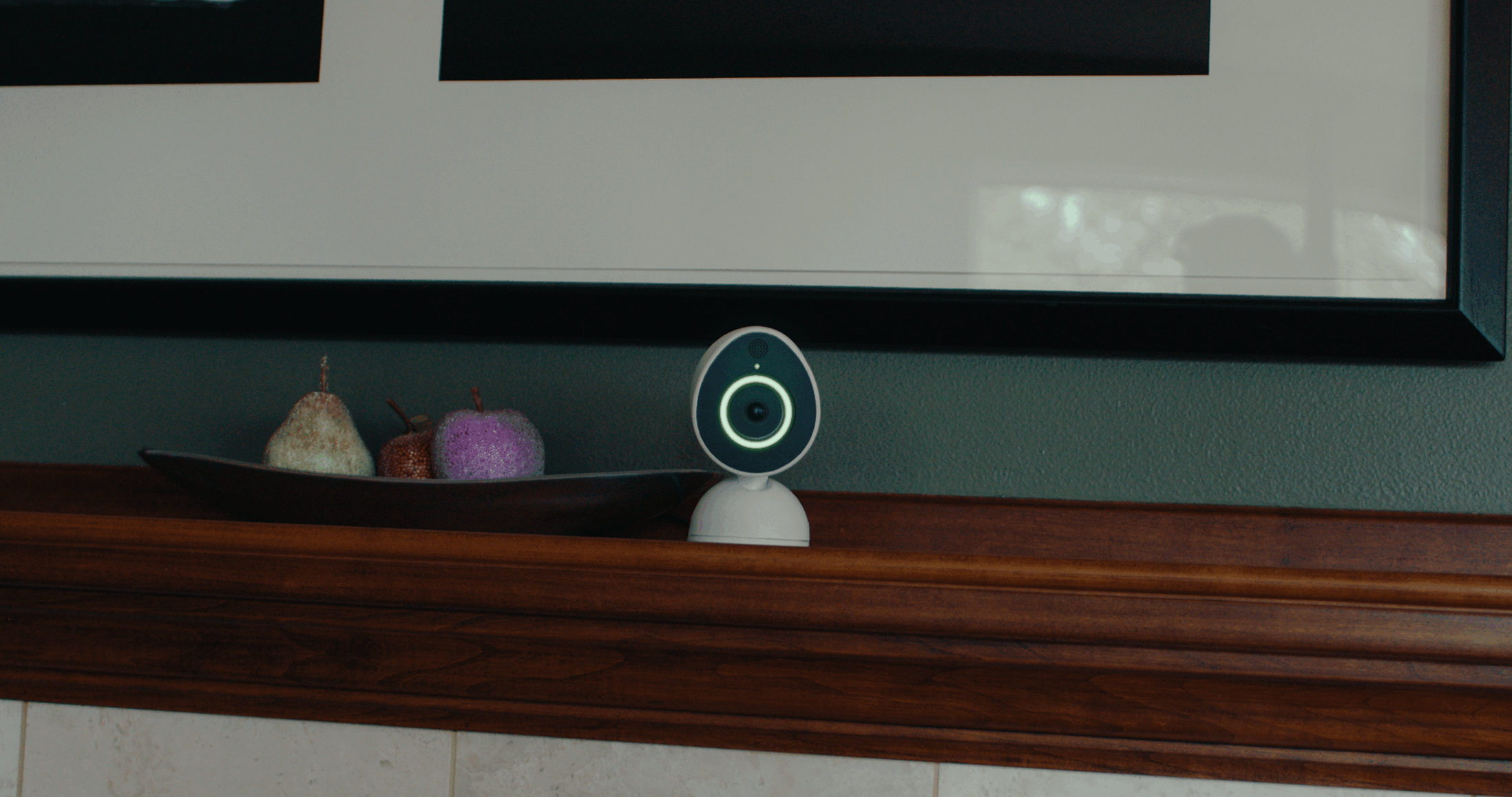
Arca's indication system reliably displays when a camera is fully activated (True On) or deactivated (True Off) with a combination of lights, sounds, and physical sensor-overlays. For greater transparency, the camera and a microphone sensors are independently indicated on the device.
Medium Privacy.
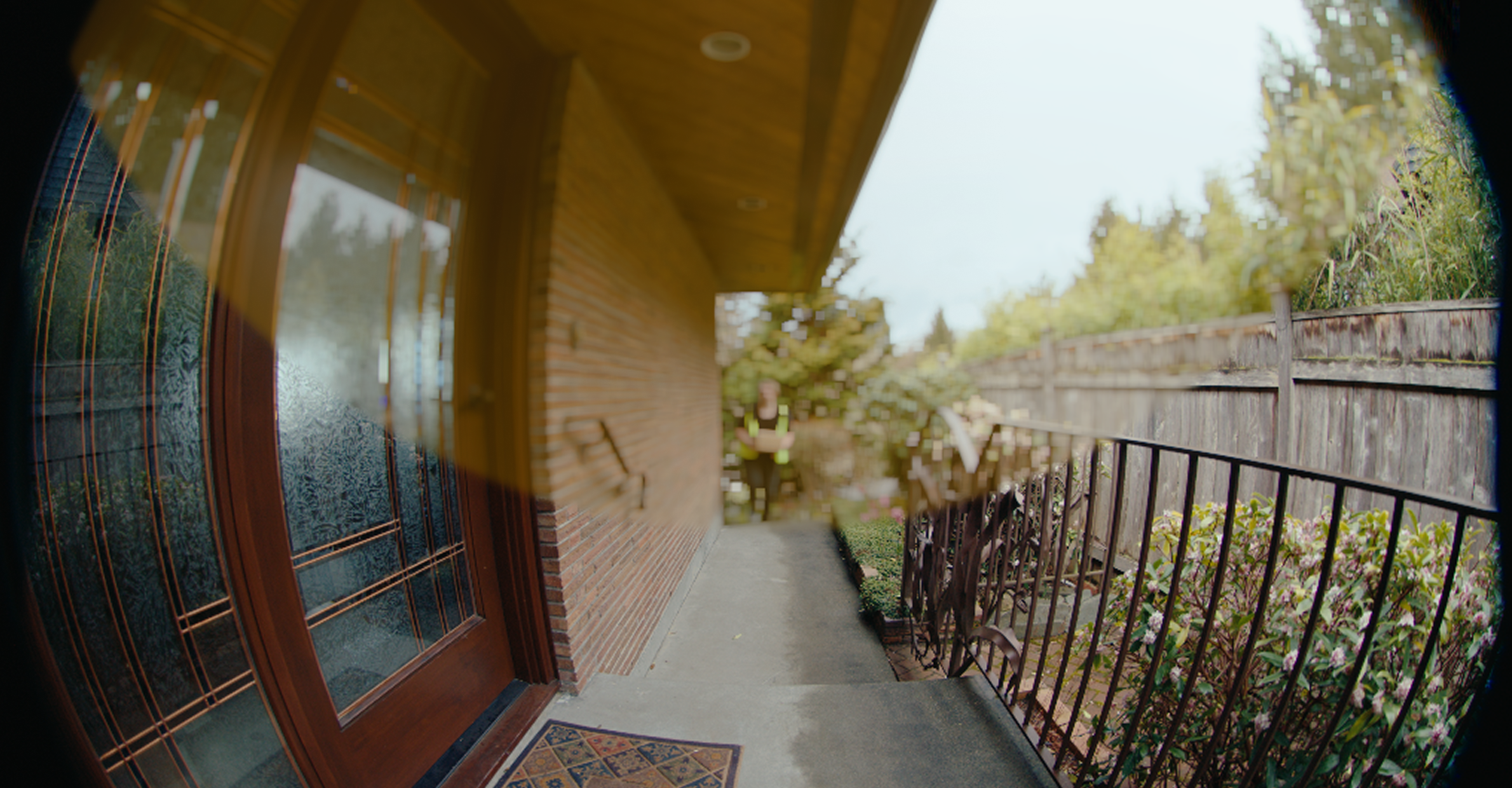
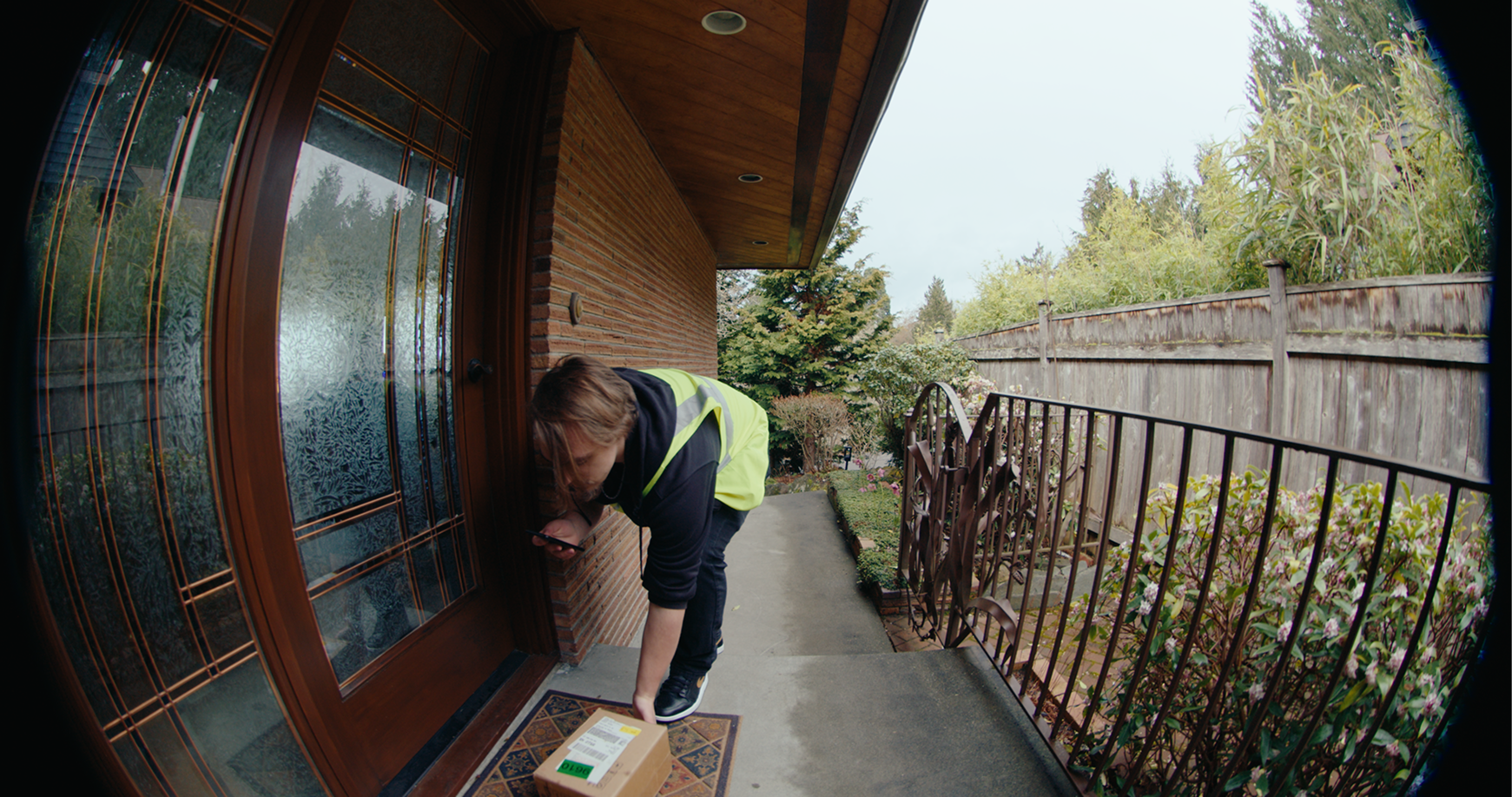
Arca's Medium Privacy mode adds a removable mask that blurs video and muffles audio. Owners can always unmask video to review events, but other users may be notified. Further, unmasked video is watermarked and the time and user who unmasked the video is visible in the history view.
Strong Privacy
Arca's Strong Privacy mode fully disables the cam/mic from recording. But you can still be notified with text descriptions of events—like when the kids arrive home, or the cat is chewing on plants.
Separate Cam and Mic Indicators
Current cameras use a single point light indicator. This system is ambiguous, unreliable, and distrusted by both adjacent and primary users. We use intuitive mappings to implement separate mic and camera indicator lights.