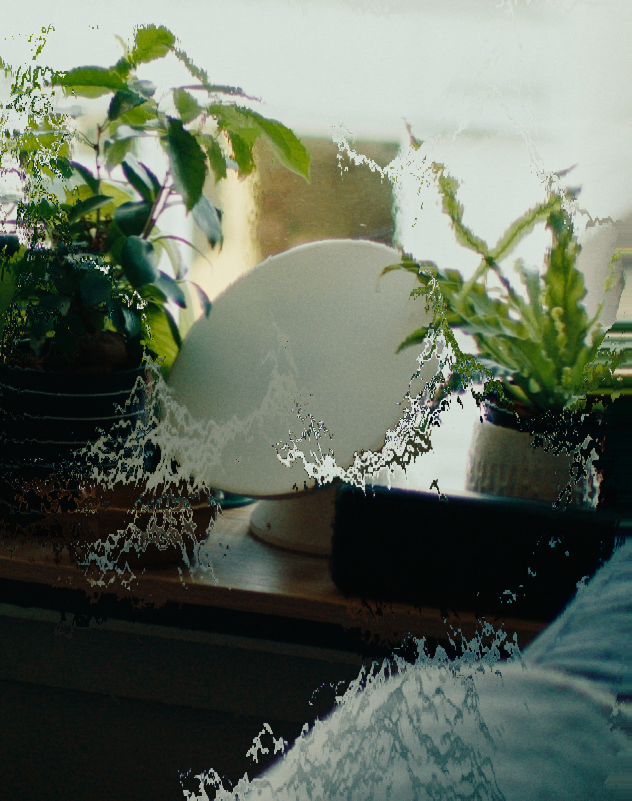
The Inner Ear: Capturing and Living with Home Vibration Data
The Inner Ear is a ceramic device that captures vibrations within participants’ homes. Once captured, the Inner Ear becomes a 3D printed porcelain physicalization of the vibration data.


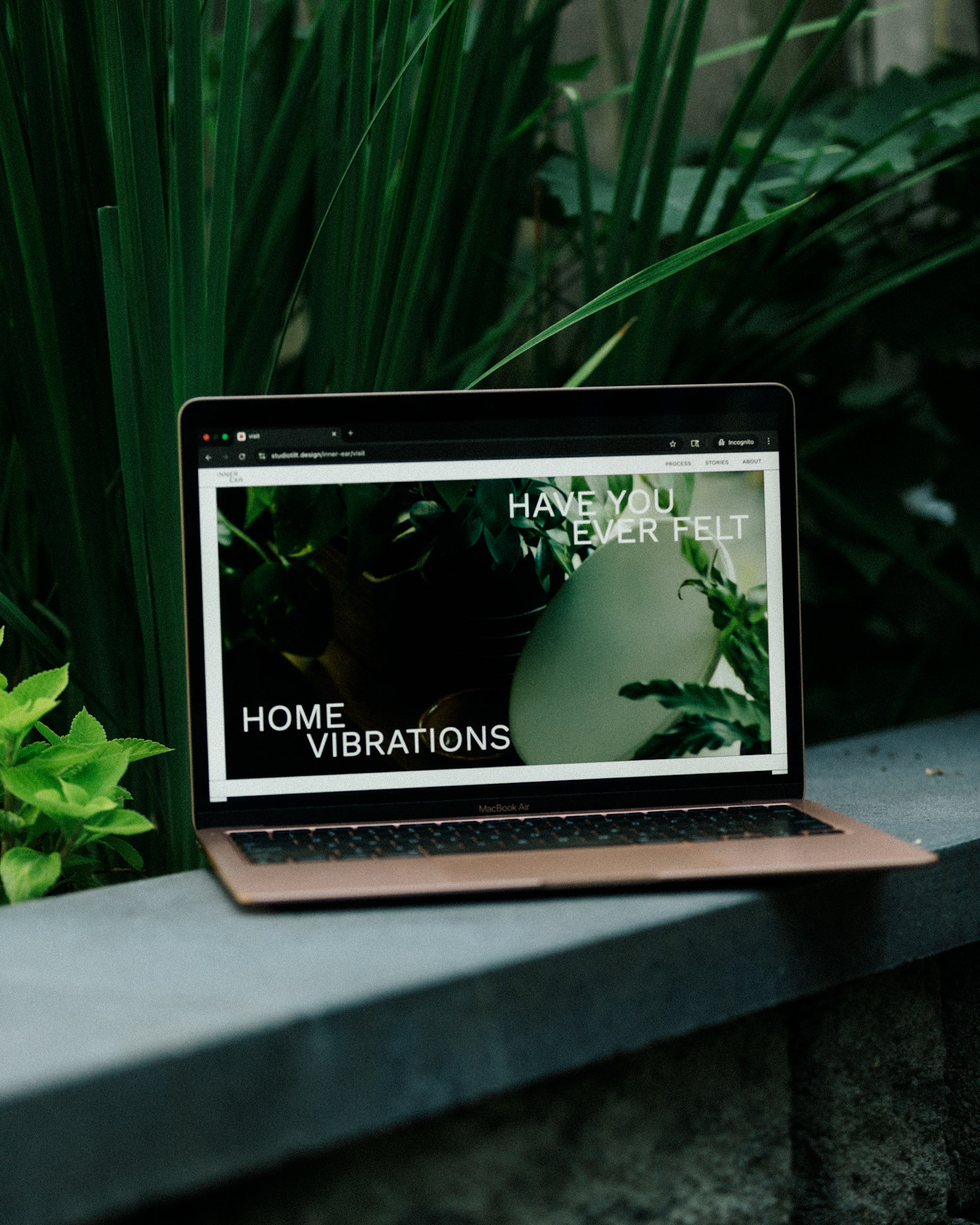





Project Overview
Many data-collecting devices in everyday life—such as smart home cameras or smart speakers—recess seamlessly into the background, and the data collected are rarely present at all.
In contrast, data physicalization offers an opportunity to put our relationship with data to the forefront, ready for investigation and exploration.
Data collection and representation invariably involve interpretation with various layers of translation. We designed the Inner Ear—a porcelain device that both captures and represents home vibration data—to rethink the relationship between home dwellers and their data.
Our project builds on recent work on data physicalization: an approach to engage data in an embodied, material, and tactile way. Design researchers and data science scholars argue that data physicalization may be an approach that lets people‘get closer’ to their data, giving them control and power. D’Ignazio and Klein state: "visceralizations [or physicalizations] are representations of data that the whole body can experience, emotionally as well as physically—data that ’we see, hear, feel, breathe and even ingest’."
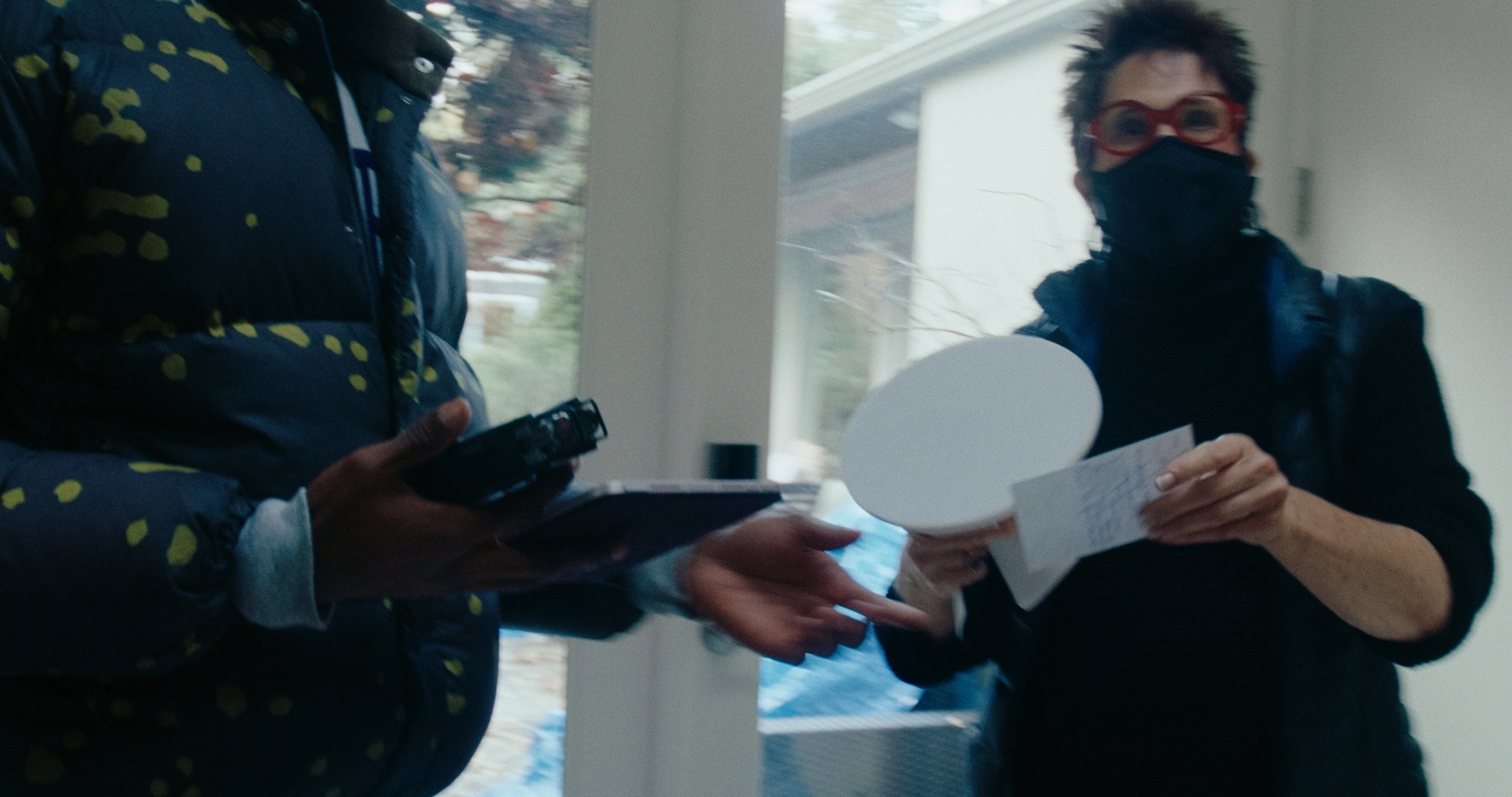
In collaboration with Slip Rabbit Studio, we designed the Inner Ear: a porcelain device that invites participants to collect home vibration data, which is then translated to large 3D printed porcelain rings by the design research team before being brought back to participants. The goal was to create an artifact that would invite a new experience with data in the home. The Inner Ear refers to an ability to sense, to listen, and to be attuned to (in balance or out of balance with) a space and the presence of other bodies in that space.
Vibrations in a domestic and intimate space are constant and ongoing but often ignored or taken as a part of the invisible fluctuations that constitute that space. Yet, vibrations may also become another way of knowing a space, a home.
The Inner Ear (1) supports active and conscious data collection, and (2) offers a tactile and sculptural physicalized representation of data selected by home dwellers. The Inner Ear exists at the intersection of device,sensor, sculpture, and ceramic object, shifting identity as it lives alongside participants in their homes. Vibration is inevitably part of a domestic landscape (the hum of a washing machine, feet or paws stomping on wooden floors, wind or rain hitting windows,etc.), and yet it has not been used for profit or surveillance, leaving a potential for seeing vibration as a way to ’meet’ and intimate space for people, away from capitalist or surveillance goals.